

Research
Research
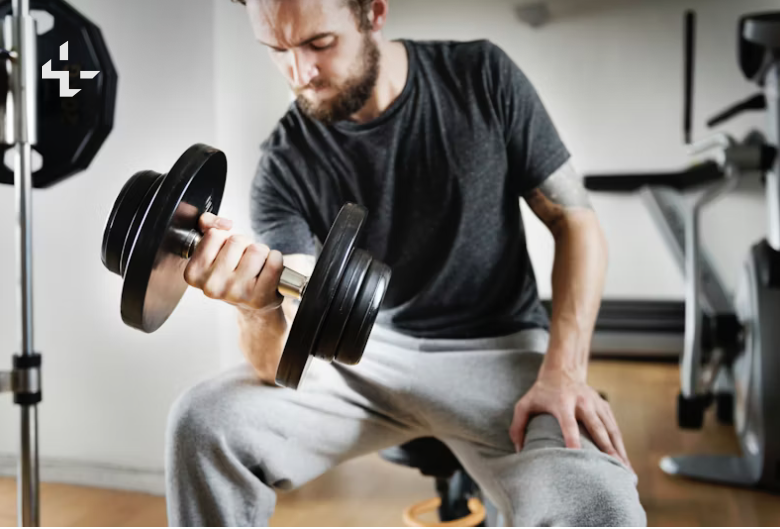
Mental Health and Muscle-Building Behaviour in Young Men
We are interested in examining how young adult men’s day-to-day experiences, especially social pressures and expectations about how men “should” be, relate to their mental health and muscle-building behaviours. We are particularly interested in why some men feel satisfied with their muscularity while others feel pressure to change, and how these experiences impact mental health, strength training motivation, and self-evaluation. The findings will help improve how researchers and practitioners talk about men’s mental health, and can support the development of approaches that reduce social pressure while promoting positive mental health and sustainable relationships with fitness.
Physical Activity Program for Queer Women
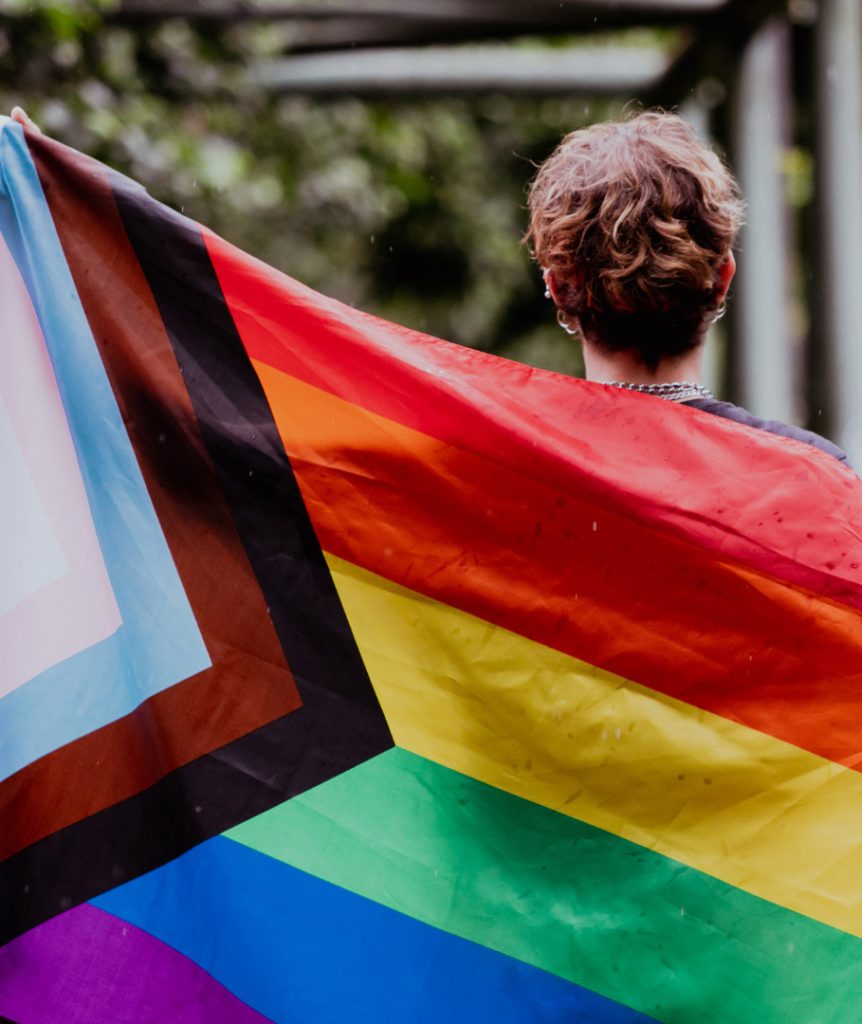
This study explores how inclusive, group-based physical activity can support wellbeing among Western University students who identify as queer women. Many fitness environments can feel unwelcoming or unsafe for queer women, and contribute to negative experiences with physical activity. This research focuses on whether shared physical activity experiences that designed to be affirming, supportive, and responsive to participants’ needs, can promote feelings of belonging, confidence, and psychological wellbeing. By centering queer women’s experiences, the study aims to inform more inclusive approaches to physical activity and recreation on campus. Findings will help guide the development of campus-based physical activity programs that foster safety, connection, and long-term engagement.

Experience of Embodied Movement
This research explores how it feels to be connected in one’s body during physical activity, and why that matters for wellbeing and long-term participation. Many conventional fitness and sport settings can be highly evaluative and appearance-focused, which can pull attention away from bodily awareness, connection and responsiveness to bodily signal, and ultimately leads to worse physical activity experiences and lower engagement. This program of research examines a novel concept of “embodied movement”, defined as the positive, adaptive ways people connect with their bodies while moving. We aim to develop and validate a measure of embodied movement, identify the everyday personal and contextual factors that support it, and test strategies designed to strengthen embodiment and increase sustained engagement in physical activity.
Weight-Inclusive Physical Activity
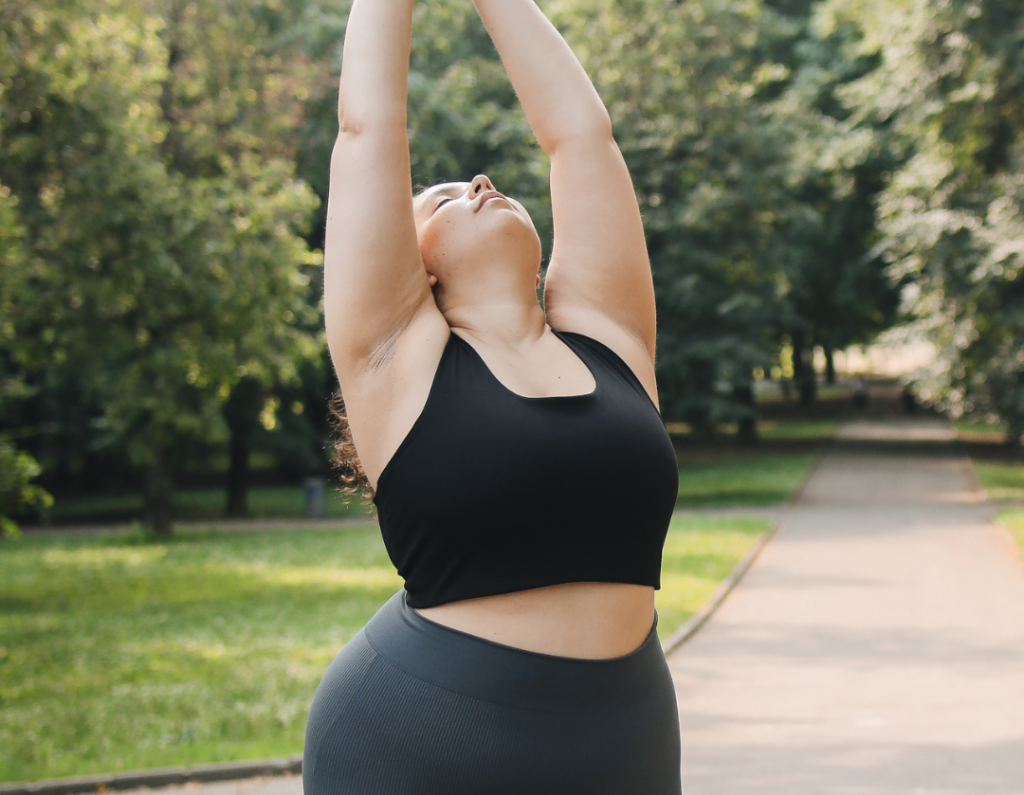
This study focuses on creating more inclusive physical activity environments for people of all body sizes. Many individuals experience weight-based stigma in fitness, sport, and recreation settings, which can reduce access, enjoyment, and long-term participation in physical activity. Guided by a partnership-based, knowledge-to-action approach, this research aims to co-develop, share, and evaluate weight-inclusive physical activity resources with community organizations. These resources are designed to reduce stigma, expand representation, and support welcoming movement spaces for every body. By addressing social and psychological barriers to participation, the project seeks to inform system-level change and promote equitable, sustainable engagement in physical activity across diverse communities.

Racialized Women's Body Image
This study explores how racial identity and body image shape physical activity experiences among racialized women, including women who are multiracial, multiethnic, and biracial. Existing research suggests racialized women, on average, report lower physical activity levels than white women, yet we know relatively little about how lived experiences, such as representation, cultural expectations, and racism or microaggressions in movement spaces, affect physical activity. Through focus groups, we will examine how participants perceive their bodies, how these perceptions influence participation and enjoyment, and how experiences may shift across different environments and over time. Findings will inform more tailored, inclusive physical activity supports.
Self-Compassion Intervention in Physical Education for Adolescent Females
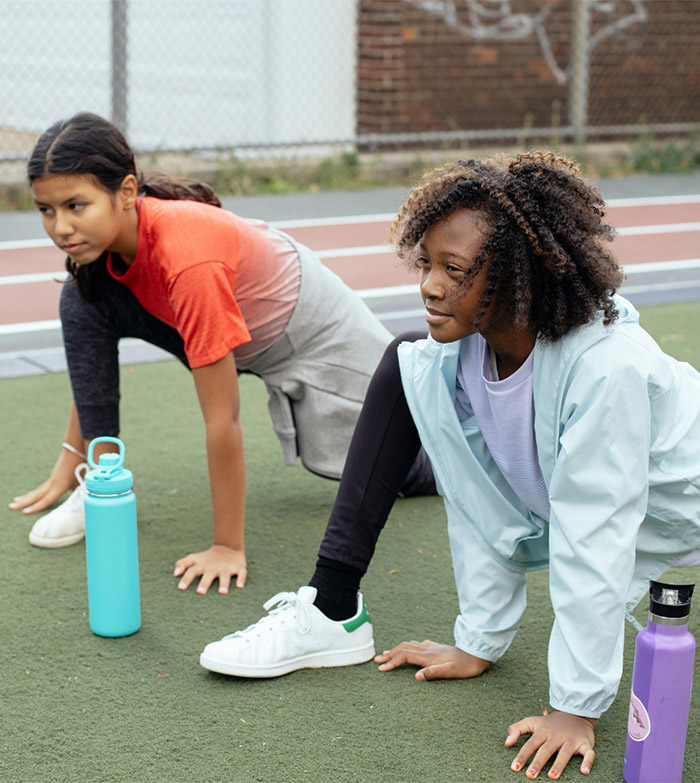
This study focused on examining the feasibility, acceptability, and effectiveness of a self-compassion workshop in physical education (PE) class for adolescent females. PE has the potential to shape and guide young females’ perceptions of movement, their bodies, and coping with life’s difficulties through physical activity, however, PE is a space that many girls do not engage in past course requirements, and additionally, report and recall many negative experiences around their bodies. Self-compassion (i.e., treating oneself with kindness, recognizing one’s shared humanity, and being mindful when considering negative aspects of oneself) may aid in supporting girls in dealing with potential distressing situations in PE and potentially positively impact sustained physical activity participation.
Exploring Women's Experiences with Fitness
This study was an exploratory analysis of women’s experiences with fitness. Endorsement of fitness culture norms is a novel psychological construct that is intended to capture a variety of behaviours, affect, cognitions, and social experiences (e.g., beliefs, customs, rituals) that are commonly endorsed in fitness contexts. To broaden our understanding of how individuals endorse fitness culture norms, we conducted semi-structured interviews with self-identified women who engage regularly in sites where fitness culture norms would be encountered, such as gyms, fitness studios, dance studios, etc. We expanded on our preliminary qualitative work examining the rejection of fitness culture and introduce the endorsement of fitness culture norms.

Promoting Joyful and Compassionate Movement
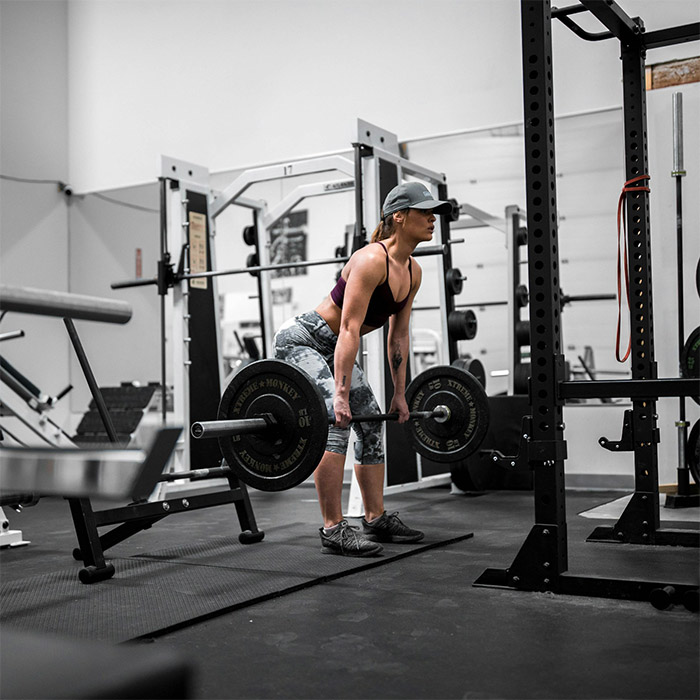
Current conventional paradigms of physical activity promotion prioritize quantifiable metrics of activity (e.g., high intensity) and promote hyper-surveillance (e.g., vigilant self-monitoring) and the pursuit of outcome-based goals (e.g., weight loss), especially for women. These traditional ways of promoting physical activity overlook the intrinsic value and enjoyment of bodily movement and may consequently undermine the quality of women’s physical activity participation experiences. In this research, we developed and implemented a novel approach to promote physical activity behaviour, focused on responding to oneself compassionately in movement contexts. Specifically, we aimed to understand how self-compassion in movement is characterized and how it can be cultivated. The ultimate goal of this research is to promote enjoyable and sustainable physical activity participation for women across the lifespan.
Exploring Queer Women's Experiences With Their Bodies and Physical Activity
This study investigated queer women’s experiences with their bodies and physical activity more broadly. Preliminary research has identified unique barriers to physical activity participation experienced by the LGBTQ+ community; however, no work has been done to explore the influence of body image on the physical activity experiences of queer women. Traditional physical activity contexts endorse heteronormative ideals and Western standards of beauty, and are primarily occupied by heterosexual individuals. As such, those whose bodies and sexual and/or gender identities diverge from the dominant group may be more likely to disengage or avoid traditional physical activity contexts. In a series of focus groups, we explored whether a unique relationship exists between queer women’s perceptions of their bodies and how this influences their participation and overall experiences in physical activity. A deeper understanding of this relationship will support the implementation of queer-inclusive physical activity programming, and broadly promote positive physical activity experiences for queer women.
Acute Self-Compassion Intervention to Attenuate Psychobiological Effects of Weight-Based Social Evaluation
Weight stigma is a pervasive driver of health inequities in higher weight individuals. Higher weight individuals often face weight-based stigma and discrimination, consequently leading to mental and physical health impairments. Research shows that women report the highest rate of experienced weight-based stigma, particularly in social evaluative contexts, such as in health care. Higher weight individuals are likely to undergo a psychobiological stress response to weight stigmatizing events, which can be denoted by biomarkers of stress such as heart rate variability (HRV) and salivary cortisol, and affective states such as shame. Continual activation of the psychobiological stress response system is associated with chronic diseases, such as hypertension, diabetes, heart disease, etc., also commonly referred to as obesity diseases. It is critical to identify intervention strategies to counter the effects induced by weight stigma for higher weight individuals. There is evidence to suggest that self-compassion may dampen the negative effects induced by weight stigma, but further research is necessary to establish this association. The results from this study are critical to the development of intervention strategies to attenuate the negative effects of weight stigma for higher weight women.
Development of Body and Self-Evaluations in Adolescence
Adolescence is a critical period in which the structure and organization of the “self” develops – a developmental process with important implications for psychological well-being that track into adulthood. Within Western cultures that emphasize narrowly defined body ideals, body appearance and physical ability are central to adolescents’ self-definition, particularly for girls. In a set of studies, we aimed to understand how adolescent girls evaluated and compared their body appearance and physical abilities compared to one another. Understanding changes in these socioemotional experiences will promote positive development and psychological well-being through adolescence and into adulthood.

Mobile Mental Health Tracking in COVID-19
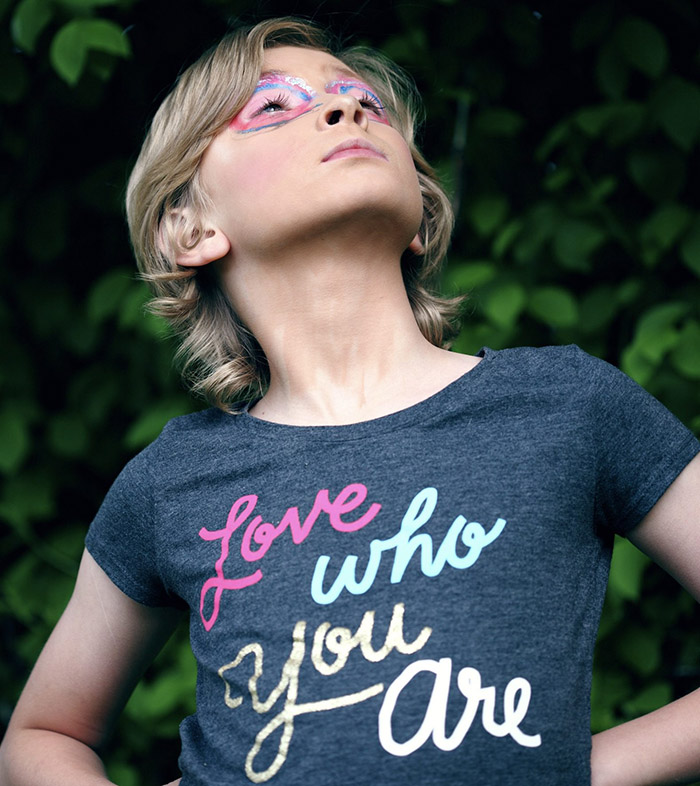
First-year undergraduate students who are starting university in a remote learning format and under pandemic restrictions may be particularly at risk for mental health challenges. The purpose of the present study is to build and deploy the Student Pandemic Experience (SPE) mobile application for Western University and collect self-report and mobile-based sensor data which can be linked with campus-based health service utilization data. The main outcome of this novel and integrated surveillance paradigm will result in better-informed decision-making around supporting student mental health during an unprecedented public health crisis that reveals how a campus can cope with and recover from a pandemic.
Understanding and Alleviating Weight Stigma in Adolescent Athletes
Although participation in organized sport offers an array of psychosocial benefits for adolescents, nearly 50% of girls report no recreational sport engagement and drop-out rates that are six times higher than boys. It is hypothesized that weight stigma (e.g., weight-related teasing and bullying) experienced in sport is one of the most pertinent psychosocial factors that contribute to the gender gap in participation. Experiences of weight stigma may be particularly distressing for adolescent girls, and are commonly associated with poor psychosocial development, and enduring deleterious effects that track into adulthood. Alarmingly, 85% of the weight stigma incidents in adolescence are experienced during physical activities and may therefore contribute to the increased avoidance of these contexts that is observed among girls.
Exploring Body Image During Movement-Based Behaviours
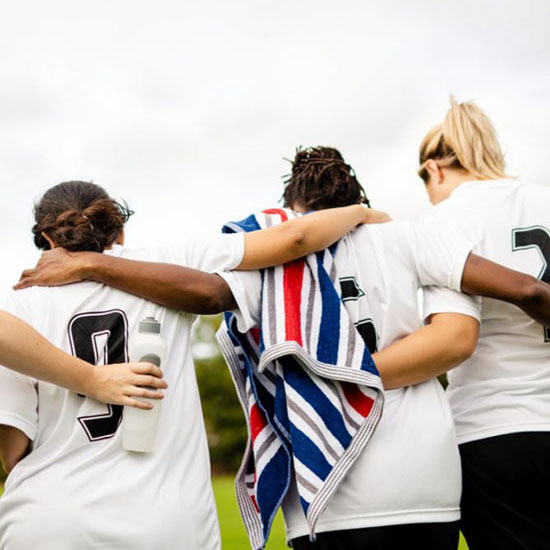
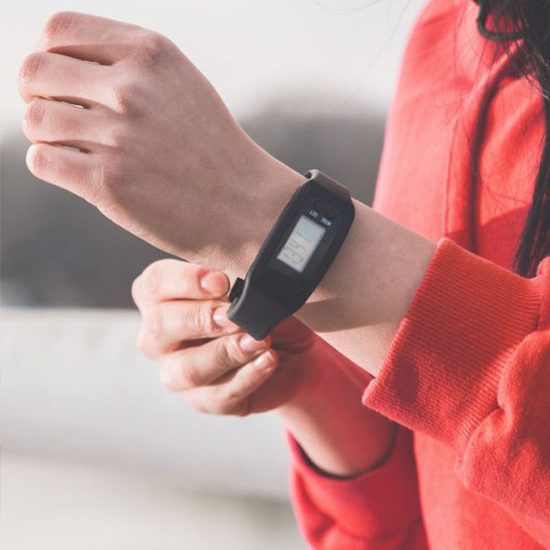
Participation in movement-based behaviours (e.g., physical activity) has shown to provide numerous physical, social, and psychological benefits, however young adults report low engagement and enjoyment of physical activity. Drawing from tenets of objectification theory, the social, evaluative, and body-focused nature of physical activity contexts likely contributes to hyper surveillance of the body and lowered enjoyment of movement. As such, the aim of our investigation is to examine how daily variations in self-objectification, body image emotions, and self-compassion are associated with experiences of physical activity in young adults. This study employs a 7-day smartphone-based experience sampling assessment protocol, whereby participants complete multiple daily assessments and wear an accelerometer to capture continuous movement throughout the week.
Group Compassion Intervention to Manage Weight Stigma and Mood Disorders
Up to 55% of higher-weight individuals experience clinical depression or bipolar disorder, and this significant overlap is disproportionately observed among women. Since women are also three times more likely to seek weight loss treatment, the normative and pervasive experiences of weight stigma may be a mechanism to account for this gender difference. Our study investigates the feasibility and efficacy of a compassion-focused psychoeducation program delivered to higher-weight treatment-seeking women with mood disorders in reducing internalized weight stigma, enhancing exercise behaviour, and improving other psychosocial factors (e.g., intuitive eating, quality of life, body appreciation).

Peer-based Exercise and Self-compassion for Students with Depression
An alarming number of students report depressive symptoms that make it difficult to function academically. Previous research has indicated that exercise can be effective in treating mild-moderate depression. However, individuals with depression may struggle psychologically to adhere to exercise programs. Researchers have highlighted the potential role of self-compassion, the ability to turn understanding and acceptance inward, in facilitating health behaviour regulation. Behavioural counselling is another approach in which participants design plans and strategize to make lifestyle changes. The purpose of this study is to test the effectiveness of a peer-led structured exercise + self-compassion program on improving depressive symptoms among inactive students with depression.
Sick, K., Sabiston, C.M., Maharaj, A., Pila, E. (2022). Body image and disordered eating prevention programs in girls’ sport: A partner-driven and stakeholder-informed scoping review. Psychology of Sport and Exercise.
Wood, M. & Pila, E. (2022). Investigating the acute effects of fit-normative and weight-inclusive Instagram images on women’s exercise motivations. Body Image.
Bailey, J.A., Huellemann, K.L., Pila, E. (2022). “Dear past me, know that you are deserving of compassion and care”: Exploring the self-compassionate writings of adolescent girls managing weight stigmatising experiences in physical activity. Sport, Exercise, and Performance Psychology.
Pila, E., Gilchrist, J.D., Kowalski, K., Sabiston, C.M. (2021). Self-compassion and body-related self-conscious emotions: Examining within- and between-person variation among adolescent girls in sport. Psychology of Sport and Exercise.
Ashdown-Franks, G., Meadows, A., & Pila, E. (2021). “Negative things that kids should never have to hear”: Exploring women’s histories of weight stigma in physical activity. Journal of Sport and Exercise Psychology.
Pila, E., Gilchrist, J., Huellemann, K., Adam, M., & Sabiston, C.M. (2021). Body surveillance prospectively linked with physical activity via body shame in adolescent girls. Body Image, 36, 276-282. https://doi.org/10.1016/j.bodyim.2021.01.002
Pila, E., Sylvester, B., Corson, L., Folkman, C., Huellemann, K. & Sabiston, C.M. (2021). Relative contributions of health behaviors and social determinants on weight status in Canadian adolescents. Canadian Journal of Public Health.
Gilchrist, J. D., Pila, E., Lucibello, K., Sabiston, C. M., & Conroy, D. E. (2021). Body surveillance and affective judgments of physical activity in daily life. Body Image: An international Journal of Research.
Dore, I., Pila, E., Gilchrist, J., Balish, S., & Sabiston, C.M. (2020). Investigating the association between social identity and group-based emotions with sport commitment among adolescent female athletes. International Journal of Sport Psychology.
Sick, K., Pila, E., Nesbitt, A., & Sabiston, C.M. (2020). Does self-compassion buffer the detrimental effect of body shame on depressive symptoms? Body Image.
Vani, M., Pila, E., DeJong, M., Krakus-Solomon, S., & Sabiston, C. (2020). “Can you move your fat ass off the baseline?” Exploring the sport experiences and dropout of adolescent girls with body image concerns. Qualitative Research in Sport, Exercise, and Health.
Pila, E., Sabiston, C., Mack, D., Wilson, P., Brunet, J., Kowlaksi, K., & Crocker, P.R.E. (2020). Fitness- and appearance-related self-conscious emotions and sport experiences: A prospective longitudinal investigation in adolescent girls. Psychology of Sport and Exercise, 47, 101641.
Sabiston, C., Pila, E., Crocker, P.R.E, Mack, D., Wilson, P., Brunet, J., & Kowlaksi, K. (2020). Changes in body-related self-conscious emotions over time among youth female athletes. Body Image, 32, 24-33.
Vani, M., Pila, E., Wilson, E., & Sabiston, C.M. (2020). Body-related embarrassment: The overlooked self-conscious emotion. Body Image, 32, 14-23.
Pila, E., Murray, S.B., Le Grange, D., Sawyer, S., & Hughes, E. (2019). Reciprocal relations between dietary restraint and negative affect in adolescents receiving treatment for anorexia nervosa. Journal of Abnormal Psychology, 128(2): 129-139
Sabiston, C., Pila, E., Vani, M., Thogersen-Ntoumani, C. (2019) Body image and physical activity: A scoping review. Psychology of Sport and Exercise, 42, 48-57.
Murray, S.B., Pila, E., Mond, J.M., Mitchison, D., Nauman, E., Griffiths, S. (2018). Global trends in high impact psychiatry research in the 21st century. World Psychiatry, 17, 368-370.
Gilchrist, J., Pila, E., Castonguay, A., Sabiston, C., Mack, D. (2018). Body pride and physical activity: Differential associations between fitness- and appearance-related pride in young adult Canadians. International Journal of Body Image, 27, 77-85.
Murray, S.B., Pila, E., Mond, J., Mitchinson, D., Blashill, A., Sabiston, C., & Griffiths, S. (2018). Cheat meals: A benign or ominous variant of binge eating behavior? Appetite, 130, 274-278.
Pila, E., Sabiston, C., Castonguay, A., Arbour-Nicitopolous, K., & Taylor, V. (2018). Mental health consequences of weight cycling in the first year post-treatment for breast cancer. Psychology & Health, 33 (8), 995-1013.
Pila, E., Sabiston, C.M., Arbour-Nicitoplous, K., & Taylor, V. (2018). “The weight is even worse than the cancer”: Exploring women’s weight-related experiences after treatment for breast cancer. Qualitative Health Research, 8(28), 1354-1365.
Murray, S.B., Pila, E., Le Grange D., Sawyer, S., & Hughes, L. (2017). Trajectories of symptom remission and affect in the treatment of adolescent anorexia nervosa. International Journal of Eating Disorders, 50(11), 1323-1327.
Murray, S.B., Pila, E., Griffiths, S., & Le Grange, D. (2017). When disease severity and research dollars do not align: Are we overlooking the eating disorders? World Psychiatry, 16 (3), 1-2.
Pila, E., Jovanov, K., Welsh, T., & Sabiston, C. (2017). Body-part compatibility effects are modulated by the tendency for women to experience negative social comparative emotions and the body-type of the model, PLoS ONE, 12(6), e0179552.
Pila, E., Solomon-Krakus, S., Martin, K., & Sabiston, C. (2017). “I am a fat baby, who moved to a fat child, who moved to a fat teenager, who moved to a fat adult”: Women’s reflections of a lifetime of body and weight concern. Journal of Women & Ageing, 30(2), 158-177.
Pila, E., Mond, J., Griffiths, S., Mitchison, D., & Murray, S.B. (2017). A thematic content analysis of #cheatmeal images on social media: Harmless dietary trend or a variant of binge eating? International Journal of Eating Disorders, 50(6), 698-706.
Pila, E., Barlow, M., Wrosch, C., & Sabiston, C. (2016). Comparing the body to superior others: Associations with daily exercise and body evaluation in men and women. Psychology of Sport and Exercise, 27, 120-127.
Pila, E., Brunet, J., Crocker, P.R.E., Kowlaski, K.C., & Sabiston, C.M. (2016). Intrapersonal characteristics of body-related shame, guilt, pride and envy in Canadian adults. International Journal of Body Image, 16, 100-106.
Pila, E., Sabiston, C., Brunet, J., Castonguay, A., & O’Loughlin, J. (2015). Body-related emotions mediate the association between weight status and self-esteem. Journal of Health Psychology, 20, 659-669.
Pila, E., Castonguay, A.L., Stamiris, A.A. & Sabiston, C.M. (2014). Body-related envy: A social comparison perspective in sport and exercise. Journal of Sport and Exercise Psychology, 36, 93 – 106.
Sick, K., Prapavessis, H., Pila, E. Development and preliminary factor structure of the Physical Self Comparison Scale. Accepted for oral presentation at the European Federation of Sport Psychology. Padova, Italy. July 2022.
Coulbeck, V., Sick, K., Pila, E. Weight stigmatizing experiences in adolescent female athletes and non-athletes. Accepted for oral presentation at the European Federation of Sport Psychology. Padova, Italy. July 2022.
Huellemann, K.L., Calogero, R., Pila, E. Compassionate Movement: Introducing a Novel Construct and Initial Instrument Psychometrics. Accepted for oral presentation at the European Federation of Sport Psychology. Padova, Italy. July 2022.
Bailey, J.A., Huellemann, K.L., Pila, E. Weight stigmatizing experiences in physical activity: A content analysis in adolescent girls. Accepted for oral presentation at the European Federation of Sport Psychology. Padova, Italy. July 2022.
Leung, K., Huellemann, K., Sick, K., Pila, E. Longitudinal relations between body image flexibility and exercise motivation: A 2-sample replication study. Accepted for presentation at the North American Society for the Psychology of Sport and Physical Activity. Kona, Hawaii. June 2021.
Pila, E., Sick, K., Maharaj, A., Cooper-Evelyn, T., Sabiston, C.M. Co-Developing Athletes Embodied with Community Sport Stakeholders and National Partners: A Body Image Promotion Program for Adolescent Girls in Sport. Invited Symposium International Society for Sport Psychology – Body Image and Sport: A Partnership Symposium with the Health Behaviour and Emotion Lab. Virtual, October 2021.
Huellemann, K. L., Gilchrist, J. D., & Pila. E. The relationship between daily negative self-conscious emotions and daily compensatory exercise behavior: The moderating role of self-compassion. Oral presentation at Eastern Canadian Sport and Exercise Psychology Symposium. March 2021.
Sick, K., Pila, E., Nesbitt, A., & Sabiston, C. M. Does self-compassion buffer the detrimental effect of body shame on depressive symptoms and disordered eating?. Oral presentation at International Conference on Eating Disorders (ANZAED & AED). Sydney, Australia. June 2020. Cancelled (COVID-19).
Sick, K., Pila, E., Gilchrist, J., Patte, K., Nesbitt, A., & Sabiston, C. M. Self-perceptions as predictors of sustained participation in physical education among adolescents. Poster presentation at International Society of Behavioural Nutrition and Physical Activity (ISBNPA) 2020 Annual Meeting. Auckland, New Zealand. June 2020. Cancelled (COVID-19).
Ens, G., Sick, K., Pila, E., & Prapavessis, H. Relative perceptions of physical activity: Is meeting social standards associated with mental health? Poster presentation at International Society of Behavioural Nutrition and Physical Activity (ISBNPA) 2020 Annual Meeting. Auckland, New Zealand. June 2020. Cancelled (COVID-19).
Sick, K., Pila, E., Gilchrist, J., Gohari, M., & Patte, K. Self-perceptions as predictors of sustained participation in physical education among adolescents. Oral presentation at Eastern Canadian Sport and Exercise Psychology Symposium (ECSEPS). Thorold, Ontario. March 2020. Cancelled (COVID-19).
Press, M., Gilchrist, J., Cox, A., & Pila, E. Appearance- versus function-based verbal cues during exercise in young female non-exercisers. Accepted to Eastern Canadian Sport and Exercise Psychology Symposium. St. Catharines, ON. March, 2020. Cancelled due to COVID-19.
Pila, E., Gilchrist, J., Gohari, M., Patte, K., & Leatherdale, S. Longitudinal associations of weight perceptions and physical activity in adolescent girls. Accepted to International Society for Behavioural Nutrition and Physical Activity. Auckland, NZ. June, 2020. Cancelled due to COVID-19.
Sick, K., Pila, E., Gilchrist, J., Gohari, M., Patte, K., & Leatherdale, S. Self-perceptions as predictors of sustained participation in physical education among adolescents. Accepted to International Society for Behavioural Nutrition and Physical Activity. Auckland, NZ. June, 2020. Cancelled due to COVID-19.
Pila, E., Taylor, V., Wharton, S. Using self-compassion to promote physical activity: A randomized pilot study or women diagnosed with mood disorders. Oral presentation at Canadian Society for Psychomotor Learning and Sport Psychology. Vancouver, BC. October, 2019.
Sick, K., Shoemaker, K., Chiodo, D., Salmoni, A., Pila, E. The effectiveness of a pilot peer-based physical activity mentoring program to promote mental health on campus. Oral presentation at Canadian Society for Psychomotor Learning and Sport Psychology. Vancouver, BC. October, 2019.
Randall, I., Gilchrist, D., Sabiston, C., Pila, E. Exercising for appearance versus health reasons: associations with latent classes of mental health. Poster presentation at Canadian Society for Psychomotor Learning and Sport Psychology. Vancouver, BC. October, 2019.
Zheng, A., Gilchrist, J., Sabiston, C., Pila, E. Identifying affective protective and risk factors associated with sport disengagement: a four-year retrospective follow-up. Oral presentation at Canadian Society for Psychomotor Learning and Sport Psychology. Vancouver, BC. October, 2019.
Sick, K., Shoemaker, K., Chiodo, D., Pila, E. Smart, Healthy Campus: promoting mental health through physical activity mentorship. Poster presentation at Canadian Institute of Campus Mental Health. Toronto, ON. October, 2019.
Pila, E., Gilchrist, J., Nesbitt, A., Sabiston. Body-related self-conscious emotions predict exercise motives: A latent class analysis. Oral presentation to European Congress for Sport and Exercise Psychology. Munster, Germany. July, 2019.
Pila, E., Sylvester, B., Velji, A.R., Sabiston, C. Systematic evaluation of online resources targeting body image in adolescent girls’ sport. Oral presentation at North American Society for Psychology of Sport and Physical Activity Conference. Baltimore, MD. June, 2019.
Pila, E., Sylvester, B., Corson, L., Folkman, C., & Sabiston, C.M. Relative contributions of health behaviors and social determinants on weight status in Canadian adolescents. Poster presentation at Society of Behavioral Medicine. Washington, DC. March, 2019.
Pila, E., Sabiston, C.M., Taylor, V., Arbour-Nicitopoulos, K., & Wharton, S. A daily diary study of self-weighing and compensatory health behaviors in women with obesity and breast cancer. Oral presentation at International Society of Behavioral Nutrition and Physical Activity. Hong Kong, China. June, 2018.
Pila, E., Gilchrist, J., Adam, M., & Sabiston, C. The role of current and anticipated body shame in physical activity: An extension of objectification theory. Poster presentation at Canadian Society for Psychomotor Learning and Sport Psychology. Toronto, Ontario. October, 2018.
Pila, E., Sabiston, C.M., Wharton, S. Shame and guilt about weight predict exercise behaviour: A test of the compensatory health beliefs model. Oral presentation at Canadian Society for Psychomotor Learning and Sport Psychology. St. John’s, Newfoundland. October, 2017.
Pila, E., Fong, A., Gentile, A., & Sabiston, C.M. Identifying psychological factors related to low levels of physical activity among breast cancer survivors. Oral presentation presented as part of a workshop at iCEPS Conference: Non-pharmacological interventions. Montpellier, France. May, 2017.
Pila, E. Sabiston, C.M., Arbour-Nicitoplous, K., & Taylor, V. “The weight is even worse than the cancer”: Exploring women’s weight-related experiences after treatment for breast cancer. Oral presentation at the Canadian Obesity Summit. Banff, AB. April, 2017.
Pila, E., Gilchrist, J.D., Solomon-Krakus, S., & Sabiston, C.M. The change room scenario: Physical self-concept and physical activity predict anticipated body-related guilt and shame. Oral presentation at the Midwest Sport and Exercise Psychology Symposium. Detroit, MI. February, 2017.
Pila, E., Gilchrist, J.D., Sabiston, C.M. Self-compassion protects against negative body-related emotions: A three-way study of adolescent girls in sport. Oral presentation at the North American Society for Psychology of Sport and Physical Activity. San Diego, CA. June, 2017.
Pila, E., Gilchrist, J.D., Solomon-Krakus, S., & Sabiston, C.M. Anticipating body-related guilt and shame: Associations with physical self-concept and physical activity. Oral presentation at the Midwest Sport and Exercise Psychology Symposium. Detroit, MI. February, 2017.
Pila, E., Tignor, S., Gilchrist, J.D., Sabiston, C.M., Fombelle, P.W., & Sirianni, N.J. Self-conscious emotions in response to physical activity success and failure: Findings from a global 112-day pedometer intervention. Poster presentation at Canadian Society for Psychomotor Learning and Sport Psychology. Waterloo, ON. October, 2016.
Pila, E., Taylor, V., & Sabiston, C. Lifetime of weight cycling predict mental health outcomes in women treated for breast cancer. Poster presentation at International Congress on Obesity. Vancouver, BC. May 2016.
Pila, E., Castonguay, A., & Sabiston, C. ‘Weighing in’ on body image emotions and depression: Implications for breast cancer survivors in the first year post-treatment. Poster presentation at North American Society for Psychology of Sport and Physical Activity. Montreal, QC. June 2016.
Pila, E., Gilchrist. J., & Sabiston, C. Self-compassion mediates link between body surveillance and body-related shame and pride among adolescent girls in sport. Poster presentation at Society of Social and Personality Psychology Conference. San Diego, California. January 2016.